What is Hijama?
An introduction to cupping, its traditions, and what to expect.
Cupping is a traditional practice in which cups are placed on the skin to create suction. Dry cupping uses suction alone. Wet cupping, often called Hijama, also involves superficial skin incisions.
People seek cupping for different reasons. Scientific evidence about its benefits remains limited, and a session is not a substitute for medical diagnosis or treatment. Your consultation is a chance to discuss suitability, expectations, and questions.
Read the NCCIH overview of cupping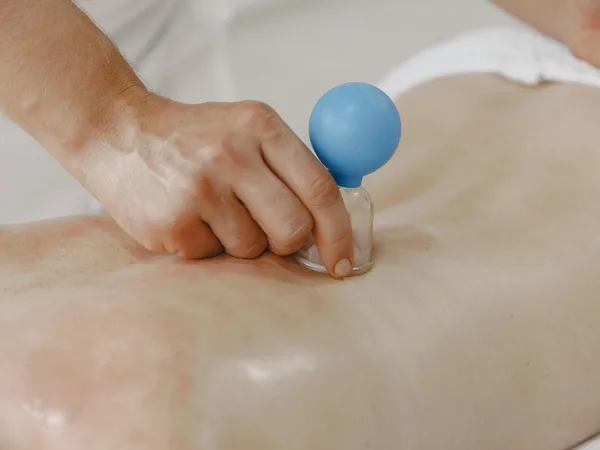
A few things you might be wondering.
Is dry cupping the same as Hijama?
Dry cupping uses suction without cutting the skin. Wet cupping (Hijama) includes superficial skin incisions. We can explain the differences and discuss which options may be appropriate for you.
What happens at my first visit?
We start with a consultation, discuss your needs and relevant health considerations, and explain the session and aftercare. You can ask questions before deciding to proceed.
Can cupping leave marks?
Cupping can leave temporary marks on the skin. Other risks can include skin irritation, burns, or infection. Discuss these risks and any health concerns with a qualified healthcare professional before treatment.
How do I prepare for a session?
Contact us before your visit for preparation guidance. Let your practitioner know about health conditions and medicines, and seek medical advice if you’re unsure whether cupping is suitable.
How do I arrange an appointment?
Email us with the service you’re interested in and your preferred availability. We’ll discuss the details and confirm a time with you directly.